Ethical frame / 6 minutes
Looking with permission
The most convincing private-looking image is carefully agreed. Intimacy can be staged. Consent cannot be implied.
Build the private feeling together
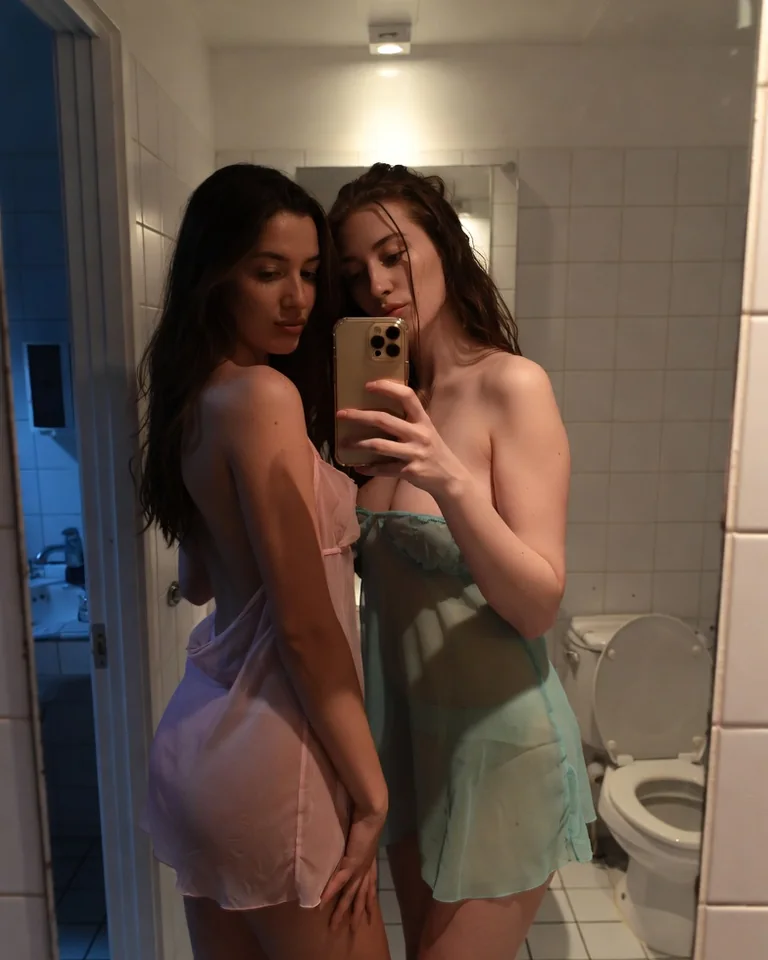
A mirror, a half-open door and an unmade room can make a photograph feel discovered rather than arranged. That feeling is a visual device. Everyone inside the frame should know the device, the camera position and the intended audience before the first photograph.
Ask what should remain outside the frame. The answer might include a face, a tattoo, a room number or another person. A boundary is a compositional instruction, not an obstacle.
Direction should leave an exit
Useful direction describes light, posture and movement without pressuring the person to perform a mood. Keep a robe nearby, make screen review normal and agree on a simple way to pause.
The option to stop must stay easy after the atmosphere becomes good. A successful set does not make an earlier boundary negotiable.
The final image needs another yes
Review the actual crop and caption before publication. A person can approve a photograph and reject the context surrounding it. Private delivery, anonymous publication and a named public post are three different permissions.
If an image is meant for one person, keep it that way. The size of the audience is part of the image agreement.